Stepping off a plane at Marrakech-Menara Airport for the first time is a sensory experience that stays with you forever. The sudden shift from the pressurized cabin to the warm, spice-scented air of the Red City can be overwhelming if you arrive unprepared. Many travelers land with visions of serene riads and desert sunsets, only to find themselves immediately navigating a whirlwind of eager taxi drivers and bustling crowds. These essential tips for first-time visitors to Morocco are designed to bridge the gap between your arrival and your first glass of mint tea. Understanding how to navigate the logistics of this vibrant country ensures that your focus remains on the culture and scenery rather than the stress of the journey.
This guide provides a roadmap for your first 48 hours and beyond, covering everything from transportation nuances to cultural etiquette. We will explore the practical realities of moving between the historic medinas and the modern districts, helping you avoid common pitfalls. By the end of this article, you will have a clear strategy for managing your arrival, choosing the right transport, and planning your excursions into the High Atlas or the coast. Preparing for these logistics in advance is the most effective way to transform a potentially chaotic arrival into a seamless transition into the Moroccan way of life.

Navigating the unique logistics of Moroccan travel
Morocco operates on a logic that often surprises Western visitors, particularly regarding movement and time. In cities like Marrakech or Fes, the ancient medinas are largely car-free zones where GPS signals frequently drop among the high walls and narrow alleys. This means that your arrival at the city gates is only the first step of your journey to your accommodation. Consequently, many first-time travelers find themselves lost within minutes of leaving their vehicle. It is vital to understand that the “last mile” of your trip usually involves a handcart for your luggage and a short walk, which is why booking a coordinated transfer is often the most sensible decision for your first day.
The reality of the Medina versus the New City
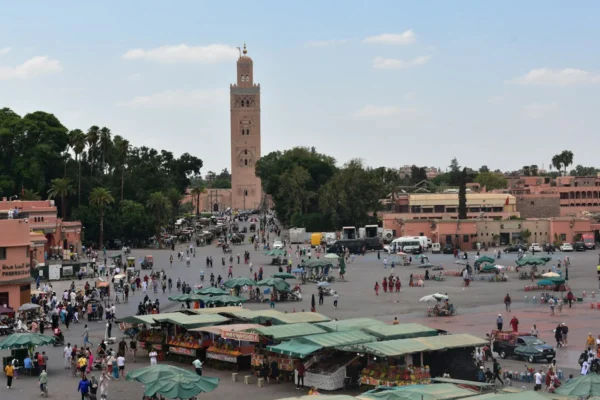
The contrast between the historic centers and modern districts like Guéliz or Hivernage is stark. In the New City, wide boulevards and traffic lights dictate a familiar rhythm, making it easy to hail a “Petit Taxi” for a short, metered trip. However, once you cross the ramparts into the Medina, the rules change entirely. Streets become a maze of pedestrians, donkey carts, and motorbikes. If you are staying in a riad, your transport will drop you at the nearest accessible point, such as Jemaa el-Fna or Bab Laksour. Understanding this physical limitation prevents the frustration of expecting door-to-door service in a medieval urban environment where cars simply cannot fit.

Transportation pitfalls and the taxi system
One of the most common challenges for newcomers is deciphering the difference between “Petit Taxis” and “Grand Taxis.” Petit Taxis are small cars licensed to operate only within city limits, carrying a maximum of three passengers. They are supposed to use a meter, though drivers may sometimes “forget” to turn it on for tourists. On the other hand, Grand Taxis are larger vehicles that travel between cities or to rural areas. They often operate on a shared basis, leaving only when full, which can lead to long wait times. For a first-timer, negotiating these rates while managing luggage and a language barrier can be exhausting. Choosing a fixed-price private service eliminates this negotiation and provides a much-needed buffer against the initial culture shock.
Planning your movement from arrival to excursions
A successful trip to Morocco depends heavily on how you manage your transitions between destinations. While the country has an excellent rail network connecting major hubs like Casablanca, Rabat, and Marrakech, reaching the most iconic landscapes requires road travel. The journey from Marrakech to the Sahara or the coastal town of Essaouira involves navigating diverse terrains, from winding mountain passes to coastal highways. These routes are breathtaking but demanding, especially if you are not accustomed to the local driving style or the specific challenges of the Tizi n’Tichka pass in the Atlas Mountains.
The Marrakech-Menara Airport arrival experience
Your arrival at the airport sets the tone for your entire stay. After clearing customs, you will emerge into a busy hall where dozens of drivers hold signs and call out for passengers. If you haven’t arranged transport, you will need to negotiate with the official taxi rank, where prices can fluctuate based on the time of day and your haggling skills. To avoid this, many savvy travelers opt for a meet-and-greet service. A professional driver will wait for you with a personalized sign, track your flight for delays, and lead you directly to a modern, air-conditioned vehicle. This simple step ensures you reach your riad or hotel without the stress of currency exchange or price disputes in the first hour of your trip.
Navigating the High Atlas and coastal roads
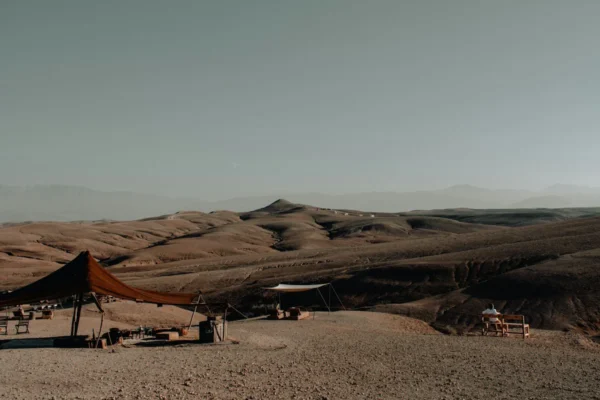
Beyond the city limits, the landscapes of Morocco open up into dramatic vistas that require careful planning. If you are heading to the Ourika Valley or the Agafay Desert, the roads are generally good but can be narrow and crowded during weekends. However, excursions to deeper regions like Ouarzazate or the dunes of Merzouga involve several hours of driving through high-altitude terrain. Furthermore, the heat in the summer months makes a reliable climate-control system in your vehicle a necessity rather than a luxury. Professional drivers who know these roads intimately can navigate the sharp turns and steep inclines with a level of safety and comfort that a standard rental car or a public bus cannot match.
The value of a private driver for first-timers
For a first-time visitor, the most significant advantage of a private driver is the local knowledge they provide. It is not just about getting from point A to point B; it is about the ability to stop for a photo at a panoramic viewpoint or find a clean rest stop that isn’t a crowded tourist trap. A dedicated driver acts as a bridge to the local culture, offering insights into the villages you pass and the traditions of the Berber communities in the mountains. This personalized approach allows you to set your own pace, ensuring that your journey is as enjoyable as the destination itself. It transforms a simple transfer into a narrated exploration of the Moroccan countryside.
Travel times and suggested schedules from Marrakech
To help you plan your itinerary, it is useful to have realistic expectations of travel times. While distances might look short on a map, the geography of Morocco often dictates a slower pace, especially when crossing mountain ranges. Below are the typical durations for the most popular routes departing from Marrakech, assuming standard traffic conditions and a direct route.
- Marrakech to Agafay Desert: 45 minutes to 1 hour. Ideal for sunset dinners or camel treks.
- Marrakech to Ourika Valley: 1 hour 15 minutes. A refreshing escape into the Atlas foothills.
- Marrakech to Essaouira: 2 hours 45 minutes. A straight road through the famous Argan forests.
- Marrakech to Ouarzazate: 4 hours. This route crosses the High Atlas and requires a steady hand.
- Marrakech to Casablanca: 2 hours 30 minutes via the modern highway.
- Marrakech to Imlil (Toubkal): 1 hour 30 minutes. The gateway to the highest peaks in North Africa.
Note: These times are indicative. During peak tourist seasons or adverse weather in the mountains, it is wise to add a 20% buffer to your schedule to remain relaxed.
Why rely on a licensed transport agency in Morocco
Safety and reliability should be your top priorities when choosing how to move around the country. In Morocco, the transport sector is strictly regulated to protect international travelers. Choosing an agency licensed by the Ministry of Tourism ensures that you are traveling in a vehicle that undergoes regular safety inspections and carries comprehensive insurance for passengers. Furthermore, these agencies employ professional drivers who have passed specific background checks and training programs. This level of institutional oversight is something you simply do not get with informal transport arrangements or “street” taxis found outside of official ranks.
Working with an established agency like Marrakech Private Transfer provides a layer of security that is essential for a stress-free holiday. Since its inception in 2015, the agency has built a reputation for punctuality and transparency, backed by over 400 positive reviews on international travel platforms. Their fleet consists of modern, spacious minivans and SUVs, perfect for families or groups who need extra room for luggage and child seats. By choosing a professional service, you are not just paying for a ride; you are investing in the peace of mind that comes from knowing your logistics are handled by experts who prioritize your comfort and safety above all else.
Frequently Asked Questions for First-Time Visitors
What is the typical price for an airport transfer in Marrakech?
The cost of a private airport transfer typically ranges between 15 and 25 Euros, depending on the number of passengers and the exact location of your accommodation. This is a fixed rate established at the time of booking. Unlike street taxis, there are no surcharges for night arrivals, extra luggage, or traffic delays, allowing you to budget your trip with total precision from the start.
Are child seats and air conditioning standard in Moroccan vehicles?
Air conditioning is standard in all modern tourist transport vehicles, which is vital given Morocco’s high temperatures. However, child car seats are not legally required for local taxis and are rarely provided spontaneously. If you are traveling with children, you must request these in advance when booking with a professional agency. This ensures that the correct size and type of seat is installed before your driver arrives at the airport.
Should I book my transport in advance or find it on the spot?
While you can find transport upon arrival, it is highly recommended to book in advance, especially during the peak seasons of spring and autumn. Pre-booking eliminates the need to negotiate prices in a foreign currency immediately after a long flight. It also guarantees that a high-quality vehicle is reserved specifically for you, avoiding the long queues and variable vehicle conditions often found at public taxi ranks during busy periods.
Do the drivers speak English or French?
Most professional drivers working for tourist agencies are bilingual, speaking both French and English fluently, in addition to Arabic. This communication is incredibly helpful for first-time visitors who may have questions about local customs or need assistance communicating with riad staff upon arrival. Having a driver who can explain the surroundings adds a valuable layer of context to your first impressions of the country.
Final thoughts for a successful Moroccan adventure
Embarking on your first trip to Morocco is an invitation to explore a culture of incredible warmth and complexity. While the bustling souks and mountain trails offer endless discovery, the success of your journey often rests on the quiet moments of transition between them. By following these essential tips for first-time visitors to Morocco, you place yourself in a position of strength and ease. You move from being a confused newcomer to a confident traveler, capable of enjoying the scenery because the logistics are already solved. Once the transport is settled, you are free to lose yourself in the colors of the medina and the silence of the desert.
Ensure your journey is as smooth as possible by trusting your travel needs to Marrakech Private Transfer. As a fully licensed agency with years of experience and hundreds of satisfied travelers, we provide the reliability you need to explore Morocco with confidence. Whether you need a simple airport pick-up or a multi-day excursion, our team is ready to assist you.
Contact us today:
📞 WhatsApp: +212 600 000 000
🌐 www.marrakech-private-transfer.com