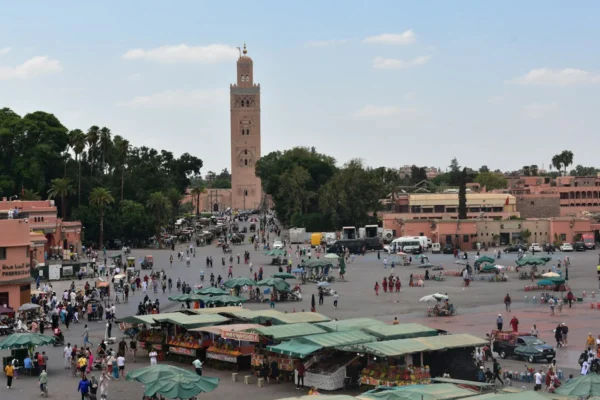
Leaving the ochre-tinted walls of the Marrakech Medina behind for the vast, silent stretches of the Sahara is a rite of passage for many travelers in Morocco. The transition from the chaotic energy of Jemaa el-Fna to the rhythmic sway of a camel at sunset represents the ultimate contrast in a North African adventure. However, organizing desert camping from Marrakech involves more than just picking a tent; it requires a clear understanding of distances, terrain, and the logistical realities of the High Atlas Mountains.
This guide aims to demystify the journey, helping you choose between the rocky plateaus of Agafay and the towering dunes of Merzouga. Whether you are looking for a quick overnight escape or a deep-desert expedition, knowing what to expect on the road will transform a potentially exhausting trip into a seamless experience. We will explore the routes, the timing, and the essential preparations needed to ensure your night under the stars is exactly as you imagined.

Understanding the Geography of the Moroccan Desert
One of the most common misconceptions for first-time visitors is that the “Sahara” starts just outside Marrakech. In reality, the landscape of Southern Morocco is incredibly diverse, ranging from arid stone deserts to the iconic orange sand dunes seen in films. Choosing the right destination depends entirely on how much time you are willing to spend in a vehicle. The road south is spectacular, but it is also demanding, crossing the highest passes of the Atlas range where smooth driving and patience are paramount.
Agafay: The Desert on Marrakech’s Doorstep
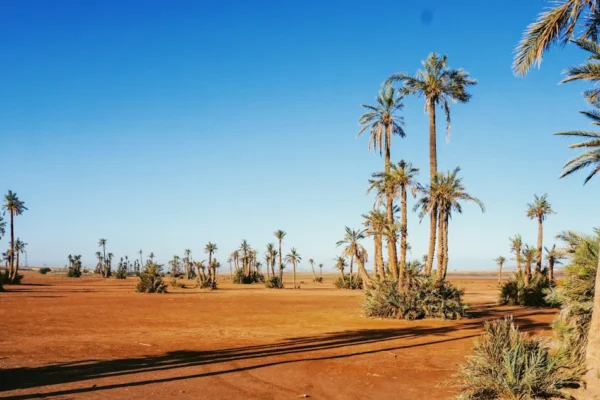
If your schedule is tight, the Agafay Desert offers a “desert-style” experience only 45 minutes from Guéliz. It is important to note that Agafay is a reg—a rocky desert—rather than an erg (sand dunes). You won’t find 100-meter-high dunes here, but you will find a lunar landscape of white hills that glow golden at sunset. It is the perfect solution for travelers who want a luxury camp experience without the ten-hour drive, offering high-end tents, swimming pools, and fine dining under the stars within sight of the snow-capped Atlas peaks.

Zagora and Merzouga: The True Sahara Experience
For those seeking the classic sand dunes, the journey becomes a multi-day commitment. Zagora is often marketed as a two-day trip, but the dunes there are smaller and often feel like a “Sahara lite” experience. To reach the truly majestic dunes of Erg Chebbi in Merzouga or the wilder Erg Chigaga, you must prepare for a significant journey. These destinations require crossing the Tizi n’Tichka pass, a winding road that reaches 2,260 meters in altitude. While the drive is long, the reward is a landscape of towering orange dunes that stretch as far as the eye can see, far removed from any urban noise.
The Logistics of Reaching the Dunes
The journey to the desert is as much a part of the experience as the camping itself. Many travelers underestimate the physical toll of Moroccan roads. While the distances on a map might seem manageable, the reality involves mountain switchbacks, occasional roadworks, and slow-moving trucks. This is where the choice of transport becomes critical. While public buses exist, they offer no flexibility for photos or breaks, and renting a car can be stressful for those not used to local driving habits or mountain navigation.
The Route Through the High Atlas
Most desert camping trips from Marrakech follow the N9 national road. This artery climbs through the mountains, offering breathtaking views of Berber villages clinging to the slopes. Consequently, the drive to Ouarzazate—often called the Gateway to the Desert—takes about four hours despite being relatively short in kilometers. A professional driver knows exactly where to stop for the best views and, more importantly, how to navigate the Tizi n’Tichka pass safely. Choosing a vehicle with high-quality suspension and powerful air conditioning is not a luxury; it is a necessity for comfort during the heat of the day.
Why a Private Driver Outperforms Other Options
Comparing a private transfer to a standard taxi or a self-drive reveals significant differences in peace of mind. Grand taxis often lack working seatbelts or air conditioning, and their prices are rarely fixed, leading to uncomfortable negotiations on the sidewalk. Furthermore, driving yourself means missing the scenery because your eyes are glued to the narrow, winding road. A private service provides a fixed price established before departure, ensuring there are no “hidden fees” for luggage or mountain detours. It allows you to arrive at the dunes refreshed rather than exhausted from the stress of navigation.
What to Expect During Your Desert Camp Stay
Modern desert camping has evolved significantly. Today, you can choose between “Standard” camps, which offer a more rustic, authentic feel, and “Luxury” camps that rival boutique hotels. Regardless of the level of comfort, the structure of the stay usually follows a traditional pattern. You will typically arrive at the edge of the dunes in the late afternoon, just as the heat begins to dissipate and the light turns soft and golden.
The Arrival and the Camel Trek
In Merzouga or Zagora, the final leg of the journey to the camp is often done by camel or 4×4. The camel trek is the iconic way to enter the dunes, usually timed to coincide with the sunset. It is a slow, meditative experience that allows you to absorb the silence of the desert. However, for those with mobility issues or families with very young children, a 4×4 transfer to the camp is always an available alternative. Most camps are tucked into the folds of the dunes, providing a sense of total isolation from the outside world.
Life in the Camp: Evenings and Amenities
Once at the camp, the evening revolves around Moroccan hospitality. You will likely be greeted with traditional mint tea and pastries before settling into your tent. Luxury tents now feature private bathrooms, hot showers, and real beds with high-quality linens. As night falls, dinner is served—usually a slow-cooked tagine or couscous—followed by traditional Gnawa music around a campfire. The lack of light pollution in the Sahara makes for some of the best stargazing on the planet, with the Milky Way clearly visible to the naked eye.
Travel Times and Suggested Itineraries
To help you plan your logistics, here are the realistic travel times from Marrakech. These durations account for the mountain terrain and necessary stops for coffee and scenery. Please note that these are estimated durations and can vary based on weather conditions and seasonal traffic.
- Marrakech to Agafay Desert: 45 minutes to 1 hour. Ideal for a 1-day/1-night trip.
- Marrakech to Ouarzazate: 4 hours. The typical halfway point for Sahara trips.
- Marrakech to Zagora: 6 to 7 hours. Recommended as a minimum 2-day/1-night trip.
- Marrakech to Merzouga (Erg Chebbi): 9 to 10 hours. Best experienced as a 3-day/2-night circuit.
- Marrakech to M’hamid (Erg Chigaga): 9 hours plus a 2-hour 4×4 trek. For those seeking total wilderness.
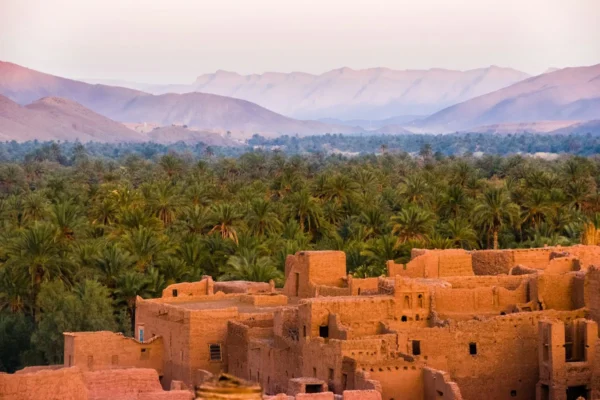
For a standard 3-day Merzouga circuit, a typical program would include a stop at the Ait Ben Haddou Kasbah (a UNESCO World Heritage site) on day one, an overnight in the Dades Valley, and then the final push to the dunes on day two. This rhythm allows you to see the changing landscape without spending the entire day behind glass.
The Value of Professional Transport Services
When booking a desert excursion, the quality of the agency is the most important factor in your safety and comfort. Opting for a licensed transport agency ensures that you are covered by professional insurance and that your driver is experienced in long-distance mountain travel. These agencies are regulated by the Moroccan Ministry of Tourism, meaning their vehicles undergo regular inspections and their drivers are trained to handle the specific challenges of the Saharan routes.
Reliable agencies provide a “door-to-door” service, picking you up directly from your Riad in the Medina or your hotel in Guéliz. They also offer flight tracking for those heading straight to the desert from the airport, ensuring a driver is waiting even if your flight is delayed. By choosing a reputable provider, you avoid the common pitfalls of “street guides” who may offer lower prices but lack the legal permits and safety standards required for such a significant journey. A spacious, air-conditioned minivan or SUV makes the long hours across the Atlas a time of relaxation rather than endurance.
Frequently Asked Questions about Desert Camping
What is the average cost for a private transfer to the desert?
Prices for private transport are fixed and depend on the destination and vehicle type. A transfer to Agafay is generally affordable, while a multi-day trip to Merzouga reflects the distance and the driver’s time. These rates are established in advance, covering fuel, tolls, and insurance, so there are no surprises or negotiations required during the trip.
Are the vehicles equipped for families with children?
Yes, professional agencies provide modern minivans or SUVs that are much more spacious than standard taxis. Child car seats are available upon request during the booking process. The air conditioning is maintained to high standards, which is essential for keeping children comfortable during the warmer parts of the day on the road.
Is it better to book in advance or on arrival in Marrakech?
Booking in advance is highly recommended, especially during the peak seasons of spring and autumn. This guarantees the availability of a professional driver and a specific vehicle type. While you can find transport on the spot, you often sacrifice quality and safety for a last-minute arrangement that may not meet your expectations.
Do the drivers speak English or French?
Most drivers working with reputable agencies are multilingual, speaking fluent French and English. They act as more than just drivers; they are knowledgeable companions who can explain the history of the regions you pass through, recommend the best local eateries, and help facilitate communication at the desert camps.
Final Thoughts on Your Saharan Adventure
A desert camping trip from Marrakech is often the highlight of a Moroccan holiday. It is a journey that takes you through the heart of the country, from the snowy peaks of the Atlas to the burning sands of the South. By focusing on the quality of your transport and choosing a destination that fits your timeline, you ensure that the memories you bring back are of the silence of the dunes and the warmth of the campfire, rather than the stress of the road. Once the logistics are handled by professionals, you are free to simply watch the landscape transform as you head toward the horizon.
Plan your journey with confidence by choosing a partner who understands the nuances of Moroccan travel. Marrakech Private Transfer has been supporting travelers since 2015, maintaining a fleet of modern vehicles and earning over 500 positive reviews on TripAdvisor for their reliability and professionalism.
Contact us today to organize your desert transport:
📞 WhatsApp: +212 6XX XX XX XX
🌐 www.marrakech-private-transfer.com