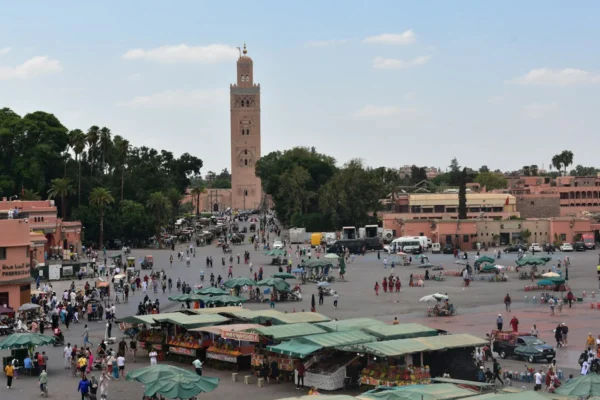
Leaving the vibrant chaos of Marrakech behind often feels like the true beginning of a Moroccan adventure. While the Red City offers an intoxicating mix of spice-scented souks and historic palaces, the landscapes that connect Morocco’s major hubs are where the country’s soul truly reveals itself. Many travelers view the journey between cities as a mere logistical hurdle to be cleared as quickly as possible. However, choosing a private transfer in Morocco transforms these transit hours into a curated sightseeing experience. Instead of staring at the back of a bus seat, you watch the horizon shift from dusty plains to snow-capped peaks or silver-green olive groves.
This guide explores the most breathtaking routes that link Marrakech to the rest of the kingdom. We will delve into why the road you take matters just as much as the city where you sleep. By understanding the nuances of Moroccan geography and the benefits of personalized transport, you can ensure that your travel days become the highlights of your itinerary. Whether you are heading toward the Atlantic coast or deep into the desert, the right private transfer in Morocco offers the flexibility to stop, breathe, and capture the perfect photograph without the pressure of a ticking clock.

Beyond the Destination: Why the Route Matters
The geography of Morocco is surprisingly diverse, ranging from rugged mountain passes to sweeping coastal highways. For the uninitiated, navigating these transitions can be daunting. The infrastructure has improved significantly over the last decade, yet the most beautiful paths are often the most demanding. For instance, crossing the High Atlas Mountains requires navigating hairpin turns that demand both patience and local expertise. Consequently, the mode of transport you choose dictates not just your comfort, but your ability to actually see the country you are visiting. A private transfer in Morocco allows you to dictate the pace, ensuring that the “connecting” part of your trip isn’t just lost time.
The Reality of Moroccan Roads and Logistics
Traveling between cities like Marrakech, Essaouira, or Ouarzazate involves more than just following a GPS line. Traffic patterns in Morocco are unique; you might share a modern highway with luxury SUVs, local mopeds, and the occasional donkey cart. Furthermore, the weather plays a significant role. In winter, the Tizi n’Tichka pass can experience snow, while summer heat makes a reliable, high-performance air conditioning system an absolute necessity. Many travelers underestimate the fatigue that comes from driving these routes themselves or the cramped conditions of public “grand taxis.” A professional driver understands these rhythms, knowing exactly when to push forward and when to take a detour for a better view.

Comparing Trains, Buses, and Private Cars
While Morocco boasts an impressive rail network, it is largely limited to the “imperial axis” connecting Marrakech, Casablanca, Rabat, and Fes. If your plans include the coast or the mountains, the train is not an option. Buses are affordable but follow rigid schedules and rarely stop for scenery. On the other hand, a private transfer in Morocco bridges the gap between luxury and practicality. It eliminates the stress of navigating crowded stations with heavy luggage. More importantly, it offers a “door-to-door” service that public transport simply cannot match. You are picked up at your Riad’s nearest accessible point and dropped off directly at your next accommodation, saving hours of secondary transport within the cities.
Three Iconic Routes for an Unforgettable Private Transfer
To truly appreciate the value of a dedicated vehicle, one must look at the specific routes that define the Moroccan experience. Each path offers a different narrative of the landscape. When you book a private transfer in Morocco, you aren’t just buying a seat; you are securing a front-row view of these changing panoramas. Below are the three most requested intercity journeys, each offering distinct visual rewards.
Marrakech to Essaouira: The Argan Forest and the Atlantic Breeze
The drive from Marrakech to the coastal town of Essaouira is a classic three-hour journey that takes you from the arid Haouz plain toward the cooling influence of the Atlantic. This route is famous for the Argan forest, a UNESCO-protected biosphere found nowhere else in the world. As you move westward, the air becomes noticeably crisper. One of the most iconic sights on this route is the “climbing goats” perched precariously on the branches of Argan trees. With a private driver, you can stop safely to observe this phenomenon without the rush of a tour group. Additionally, the road is dotted with small women’s cooperatives where Argan oil is produced by hand. Stopping here provides a genuine insight into local craftsmanship that you would otherwise miss from a bus window.
Marrakech to Ouarzazate: Crossing the High Atlas via Tizi n’Tichka
This is arguably the most dramatic road in North Africa. To reach Ouarzazate, the “Gateway to the Sahara,” you must cross the High Atlas Mountains via the Tizi n’Tichka pass, which reaches an elevation of 2,260 meters. The scenery is a constant evolution of red earth, terraced Berber villages, and deep valleys. The road itself is a marvel of engineering, winding its way up the mountain face. This route is where the benefits of a private transfer in Morocco become most apparent. The drive is physically demanding, and having a professional at the wheel allows you to focus entirely on the staggering vistas. You can request stops at panoramic viewpoints to see the road snaking below you, or take a short detour to the Kasbah Telouet, a hidden gem often bypassed by standard transport.
The Long Road North: Marrakech to Fes or Chefchaouen
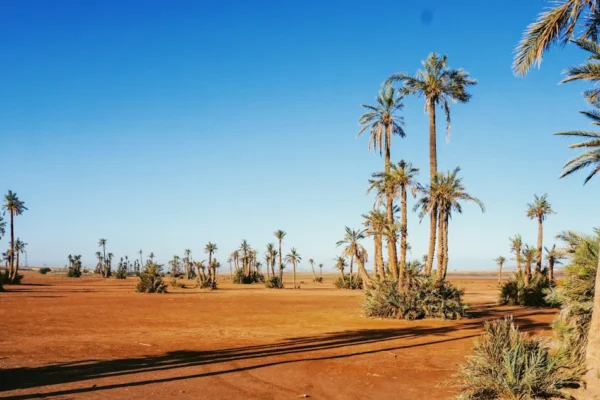
Connecting the two most famous medinas in Morocco—Marrakech and Fes—is a journey through the heart of the Middle Atlas. While many take the highway via Casablanca for speed, the more beautiful route passes through Beni Mellal and Ifrane. Ifrane, often called “Little Switzerland,” features alpine architecture and cedar forests inhabited by Barbary macaques. This is a long day of travel, often exceeding seven hours. In this context, space and comfort are paramount. A modern minivan or SUV ensures that you arrive in Fes feeling refreshed rather than exhausted. The transition from the palm groves of the south to the fertile plains and cedar forests of the north provides a comprehensive visual summary of Morocco’s ecological diversity.
Planning Your Itinerary: Typical Travel Times
Understanding the clock is vital for a stress-free holiday. Moroccan distances can be deceptive because mountain roads and local traffic often double the time you might expect from looking at a map. Below are the standard durations for a private transfer in Morocco departing from Marrakech. Please note that these times are indicative and may vary based on weather conditions and the number of stops you choose to make for photos or coffee.
- Marrakech to Essaouira: Approximately 2 hours and 45 minutes. The road is mostly flat and well-maintained.
- Marrakech to Agadir: Roughly 3 hours via the modern highway, offering a smooth and fast connection.
- Marrakech to Ouarzazate: Between 3.5 and 4.5 hours, depending heavily on traffic at the mountain pass.
- Marrakech to Casablanca: About 2 hours and 30 minutes on the A1 toll road.
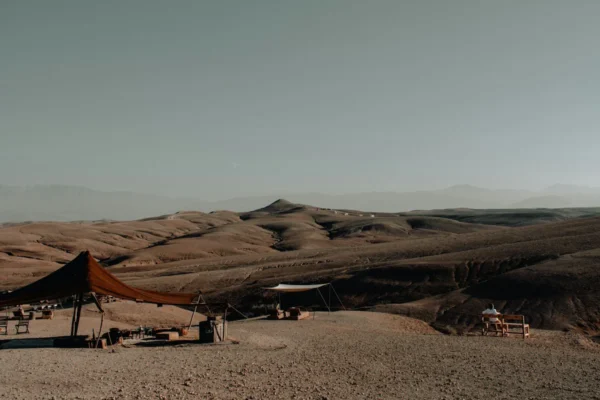
- Marrakech to Agafay Desert: A short 45-minute drive, perfect for a sunset dinner transfer.
- Marrakech to Imlil (Atlas Mountains): Approximately 1 hour and 15 minutes to reach the trekking base.
It is always advisable to depart early in the morning, especially for mountain routes. This allows you to navigate the highest points before the midday heat or the peak traffic of local transport trucks. Your driver can suggest the best departure time based on your specific destination and the season of your visit.
Why Trust an Authorized Agency for Your Intercity Travels
In a country where informal transport offers are common, the value of an official, licensed agency cannot be overstated. When you arrange a private transfer in Morocco through a registered company, you are choosing safety and accountability over a slight discount. Authorized agencies are mandated by the Ministry of Tourism to maintain specific insurance standards that protect international travelers. Furthermore, their vehicles undergo rigorous technical inspections more frequently than private cars. This ensures that the braking systems, tires, and air conditioning are in peak condition for the challenging mountain descents and desert heat.
Reliability is the cornerstone of a successful trip. A professional agency tracks your needs from the moment of booking, providing a clear point of contact should your plans change. Since 2014, Marrakech Private Transfer has specialized in these intercity connections, building a reputation for punctuality and discretion. With over 450 positive reviews on platforms like TripAdvisor, the focus remains on the quality of the experience. The drivers are not just navigators; they are ambassadors of Moroccan hospitality who understand when to offer information and when to let you enjoy the silence of the landscape. Their fleet of recent minivans and SUVs is designed for the long haul, offering the legroom and luggage space necessary for families and small groups.
Questions Fréquentes sur Private Transfers in Morocco
What is the average price for a private transfer from Marrakech?
Pricing for a private transfer in Morocco is generally fixed and agreed upon at the time of booking. For a standard journey like Marrakech to Essaouira, prices typically range between 60 and 100 Euros depending on the vehicle size. This fixed rate includes fuel, tolls, and insurance, ensuring there are no surprise negotiations at the end of the trip.
Are the vehicles equipped with child seats and air conditioning?
Yes, all professional transfer vehicles are equipped with high-quality air conditioning as a standard feature. Child seats and boosters are available upon request during the booking process. It is important to specify the age and weight of the child to ensure the correct equipment is prepared before the driver arrives at your hotel.
Can we stop for photos or lunch during an intercity transfer?
Absolutely. One of the primary advantages of a private service is the flexibility it offers. Unlike a bus or a shared taxi, you can ask your driver to stop at scenic viewpoints, local markets, or recommended restaurants. These stops are encouraged, as they allow you to experience the “hidden” Morocco that exists between the major tourist hubs.
Do the drivers speak English or French?
Most professional drivers in the tourism sector are multilingual, speaking fluent French and functional to advanced English. They are accustomed to working with international guests and can provide helpful context about the regions you are passing through. Their knowledge of local customs and routes often adds an extra layer of depth to your journey.
Conclusion: The Road is Part of the Adventure
Ultimately, the way you move through Morocco defines the rhythm of your holiday. By opting for a private transfer in Morocco, you reclaim the hours spent between cities, turning them into a period of relaxation and discovery. You trade the anxiety of navigation and the discomfort of public transport for a tailored experience that respects your pace. As you watch the sunset over the Argan trees or see the first light hit the peaks of the Atlas, you realize that these moments are just as precious as the monuments in the medina. The beauty of Morocco is found in the transition—in the changing colors of the earth and the hospitality found at a roadside stop.
Ensure your journey is as seamless as the landscapes are beautiful by choosing a trusted partner. Marrakech Private Transfer has been accompanying travelers since 2014, backed by 450+ reviews from satisfied guests. Experience the comfort of a Ministry-authorized service and the peace of mind that comes with professional expertise.
Contact us today to plan your route:
📞 WhatsApp: +212 6XX XX XX XX
🌐 www.marrakech-private-transfer.com